My Teaching Approach
After over a decade designing for in-house marketing teams and different startups, I went back to school to improve my practice and discovered I loved helping others develop their own. I split my time between the classroom and professional work. This dual practice lets me analyze and teach the same iterative processes I use with clients and for myself. I treat design as a tool for storytelling and cultural engagement, encouraging students to experiment with everything from traditional media to generative AI, always within constraints that push critical thinking.
Though it can be tough to balance, I value process over perfection. Exploration, iteration, and productive failure are all part of learning to work like a designer. My goal is to help students develop technical proficiency alongside a point of view: to leave school ready for the professional world, but also curious about how design can create social impact beyond commercial work. It is important to communicate with clarity, question assumptions, and build systems that are as unique as the designers who create them.
Though it can be tough to balance, I value process over perfection. Exploration, iteration, and productive failure are all part of learning to work like a designer. My goal is to help students develop technical proficiency alongside a point of view: to leave school ready for the professional world, but also curious about how design can create social impact beyond commercial work. It is important to communicate with clarity, question assumptions, and build systems that are as unique as the designers who create them.
Classes and Workshops
Interaction I
This course introduces students to the fundamentals of designing for digital and interactive media, combining core design skills with basic coding literacy. Students learn HTML and CSS (with an introduction to JavaScript/jQuery) as a means of testing and staging interactive design ideas, while applying principles of typography, composition, and color in digital environments. Emphasis is placed on how content is distributed and reshaped by interactive platforms, developing a critical perspective on digital culture, and creating user-centered experiences. Students strengthen their technical competency and their ability to articulate design choices with projects, readings, critiques, and discussions. This prepares them to create thoughtful, intentional work in contemporary interactive contexts.
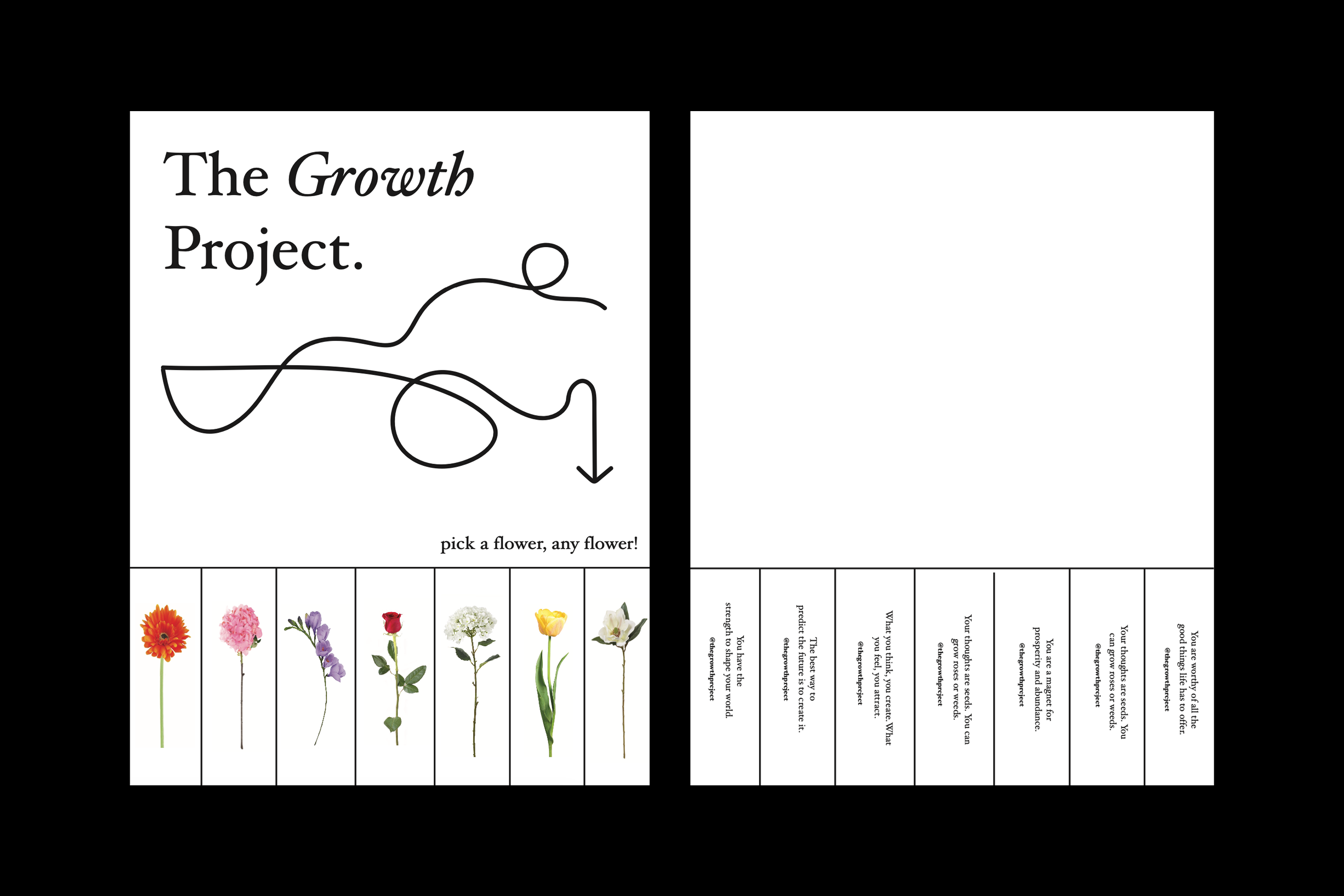
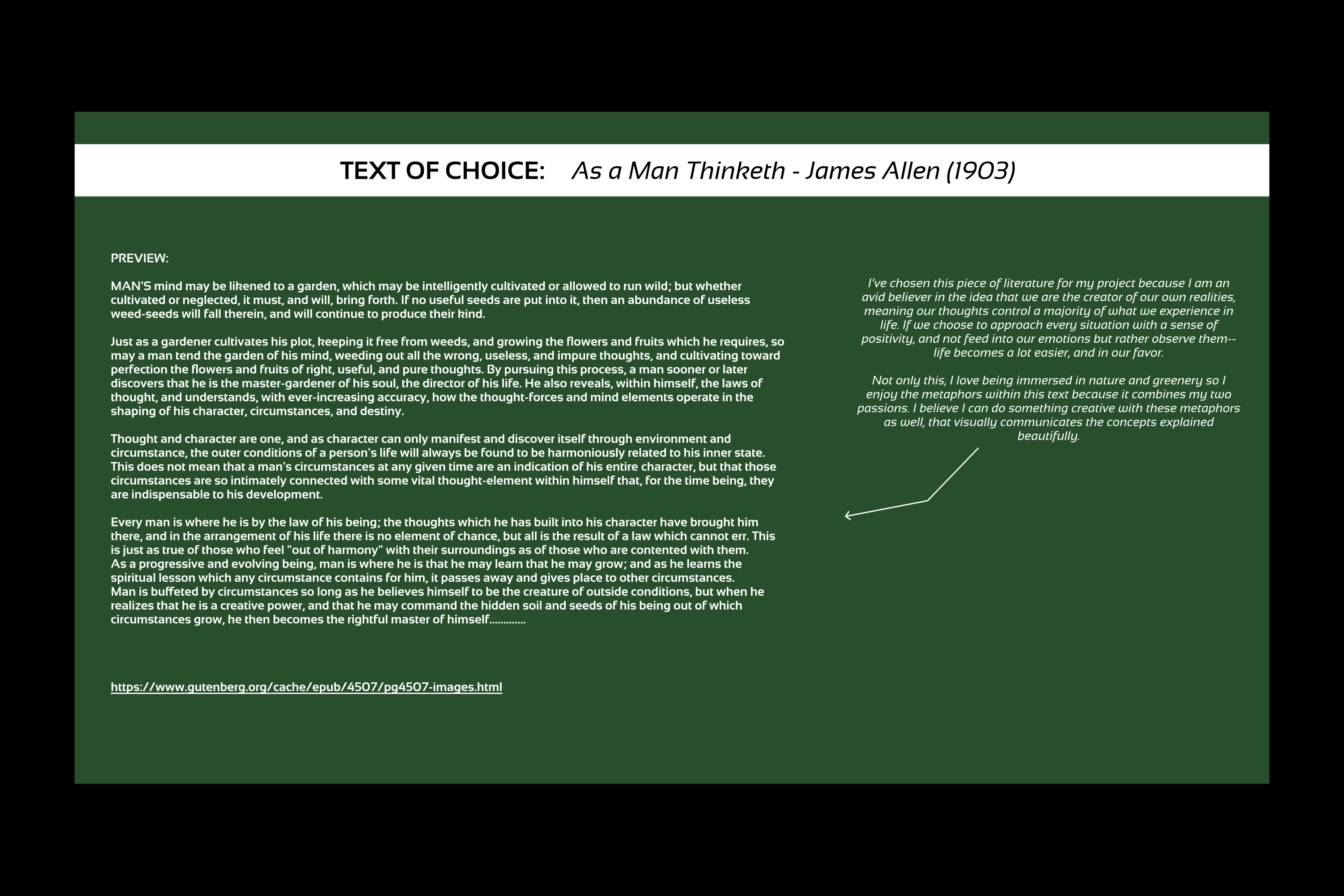
Platform Poem
After researching platform limitations and affordances, students select a social media platform and create a strategy to remix, fragment, or repackage a public domain text in ways shaped by its interface and audience. They then design an IRL compelling entry point to bring viewers to their transformed work, documenting the process through analysis, sketches, and reflections. The project emphasizes critical awareness of how platforms influence content, strategic audience engagement, and creative experimentation with digital media.



Basic Build
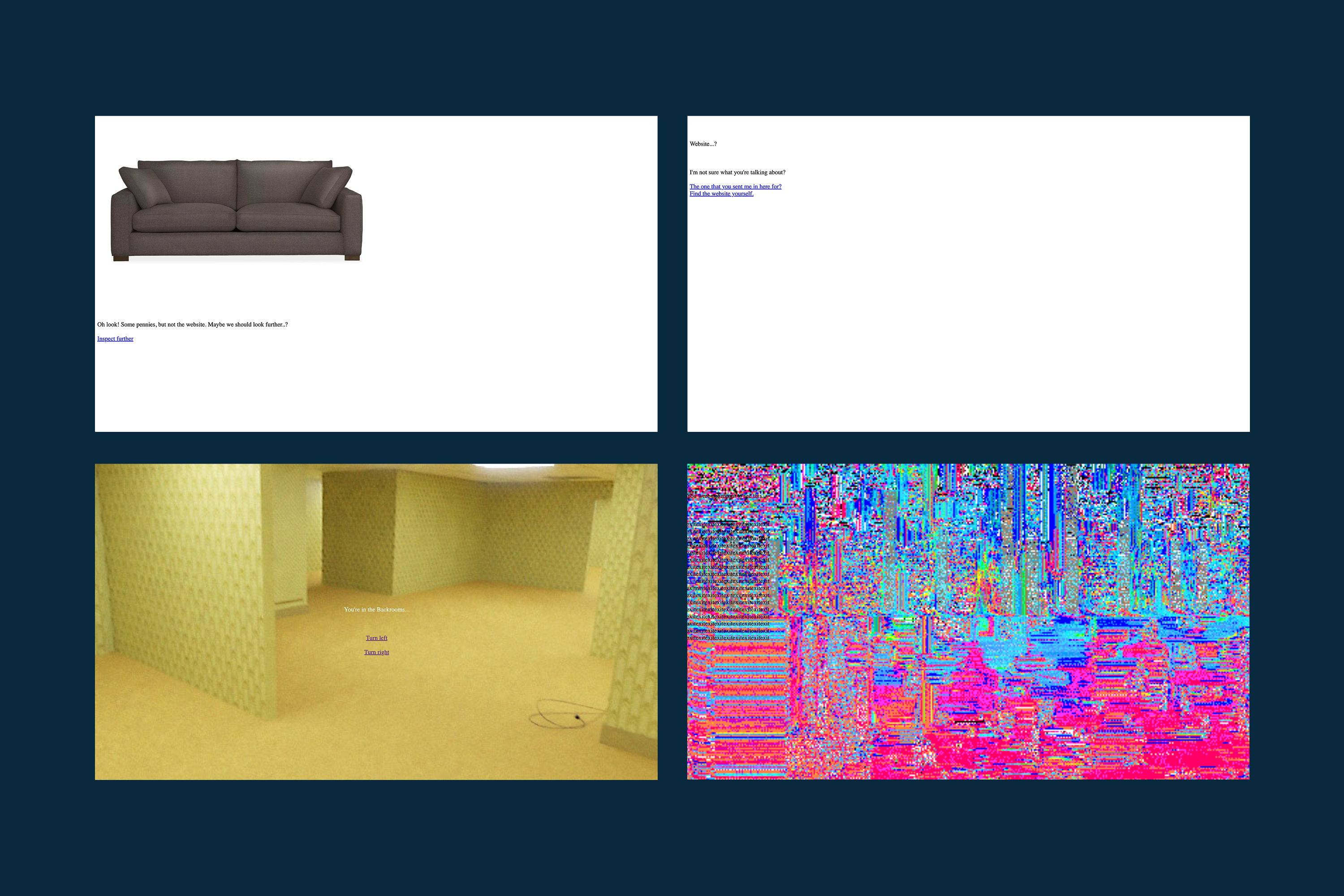
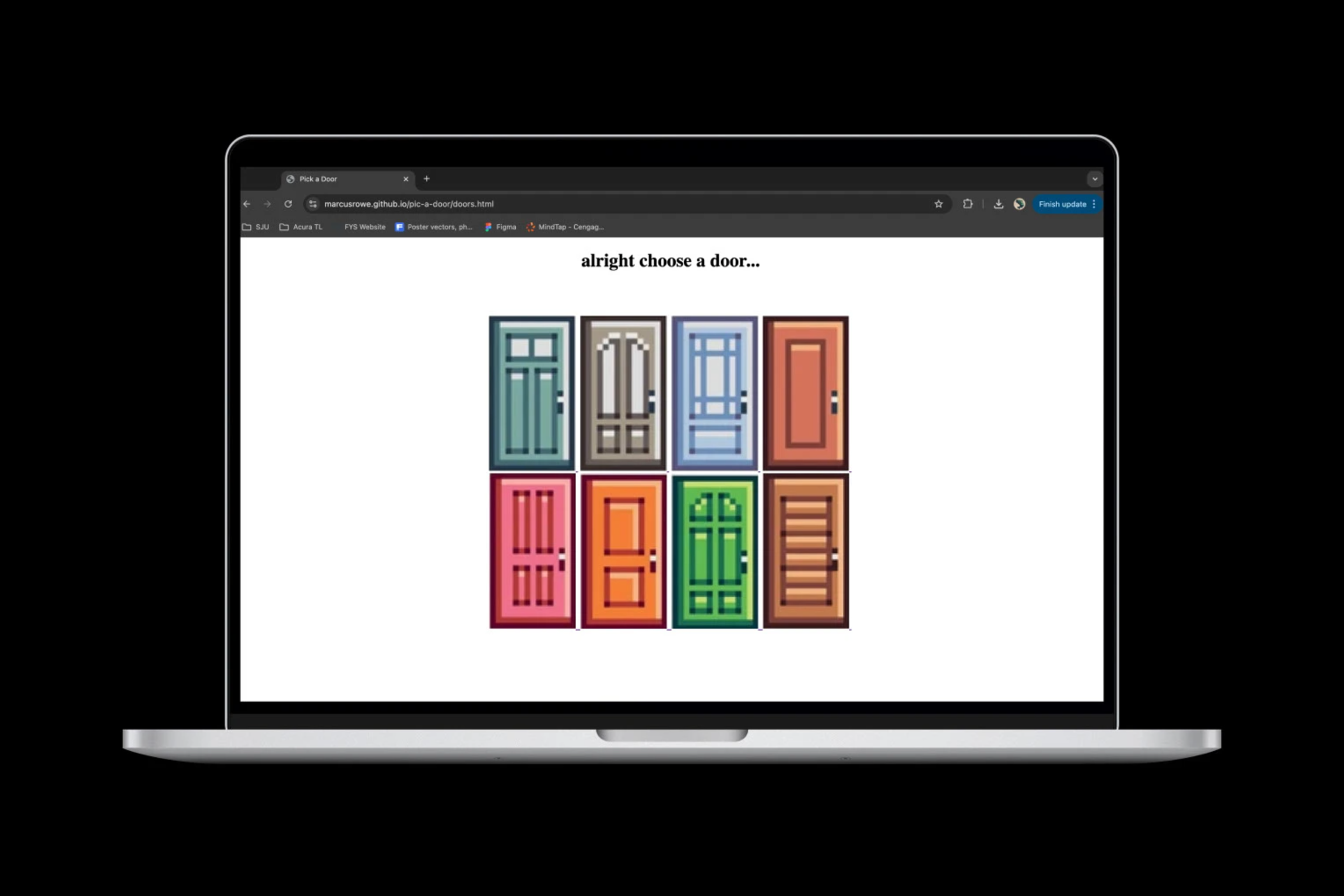
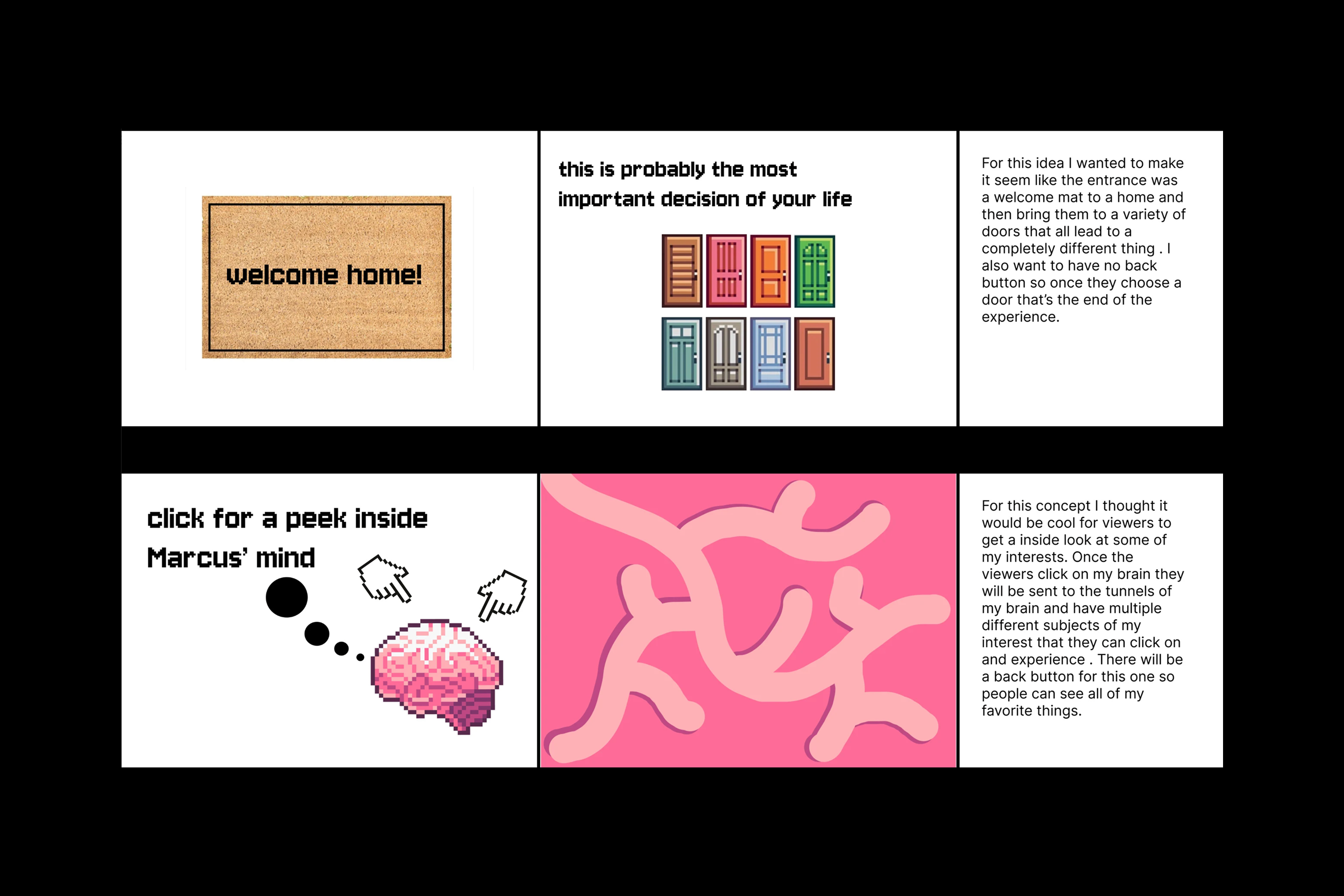
In basic build, students build a multi-page website coded in semantic HTML, using the hyperlink as the core interaction. The goal of the project is to create an experience that guides users through multiple paths and outcomes. The site must include at least 30 pages, provide feedback after each action, and feature clear navigation. After developing the architecture through mapping in Figma, students upload their project to GitHub for version control and critique, developing essential skills in web literacy, typographic hierarchy, and interaction design.
Parts Unknown
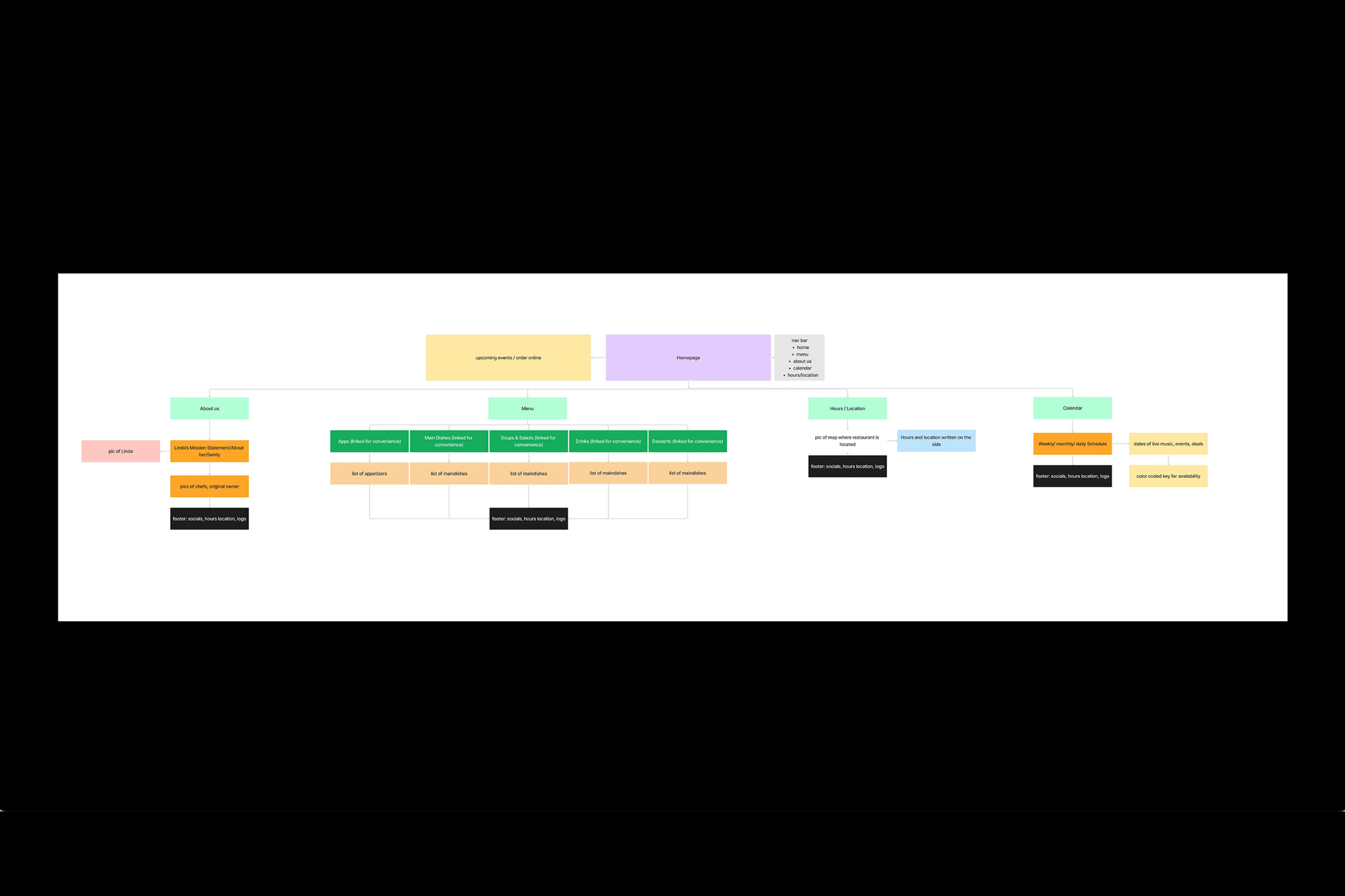
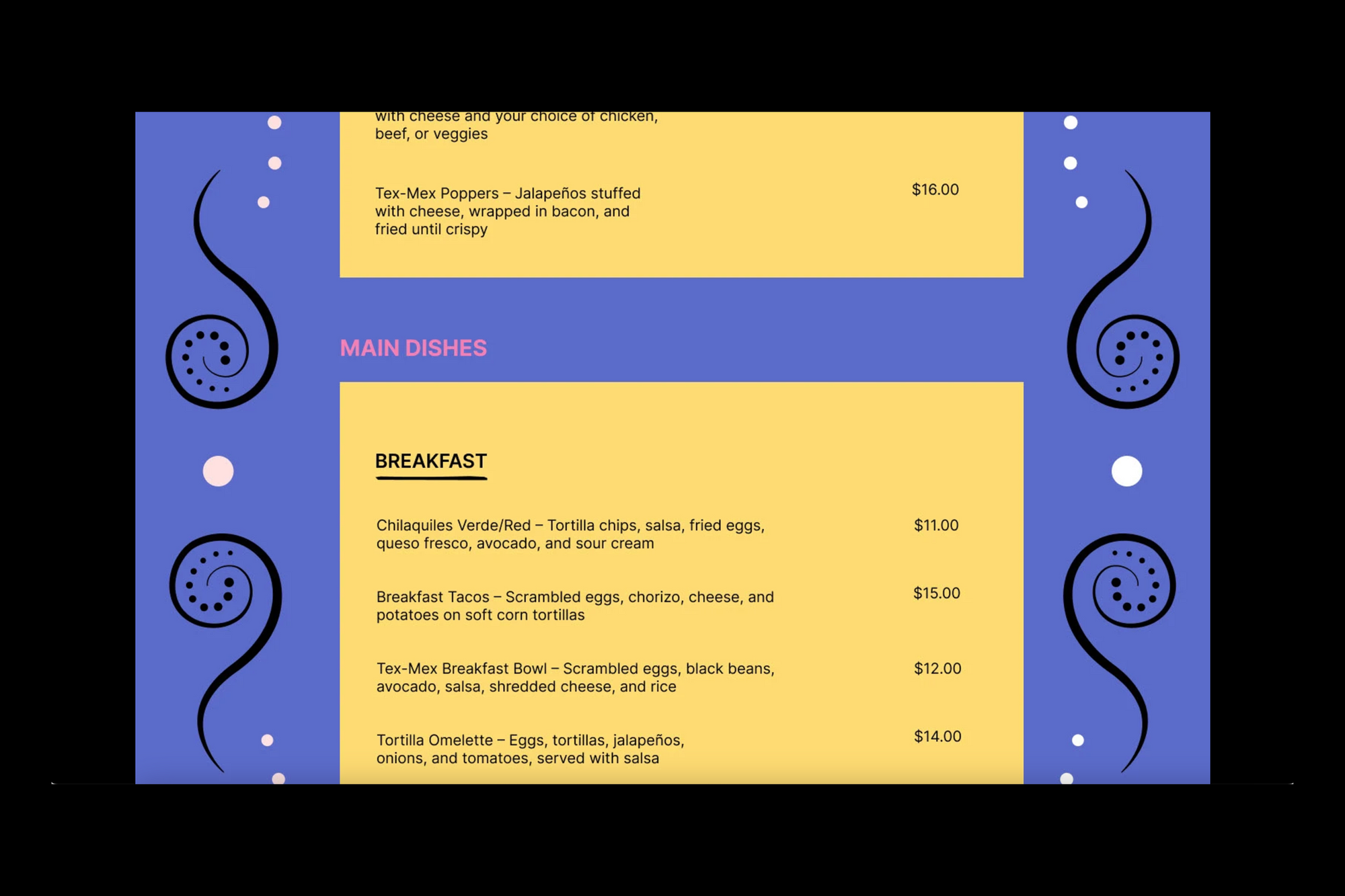
Named after the notable TV series, this project challenges students in designing website for a fictional restaurant, exploring how food fosters cultural connection and community. Students create user personas, site maps, and wireframes in Figma before developing a visual identity and high-fidelity designs. They hand-code the site using HTML and CSS, publish via GitHub, and present their work for critique, emphasizing user-centered design and the integration of technical and visual skills to convey the restaurant’s identity.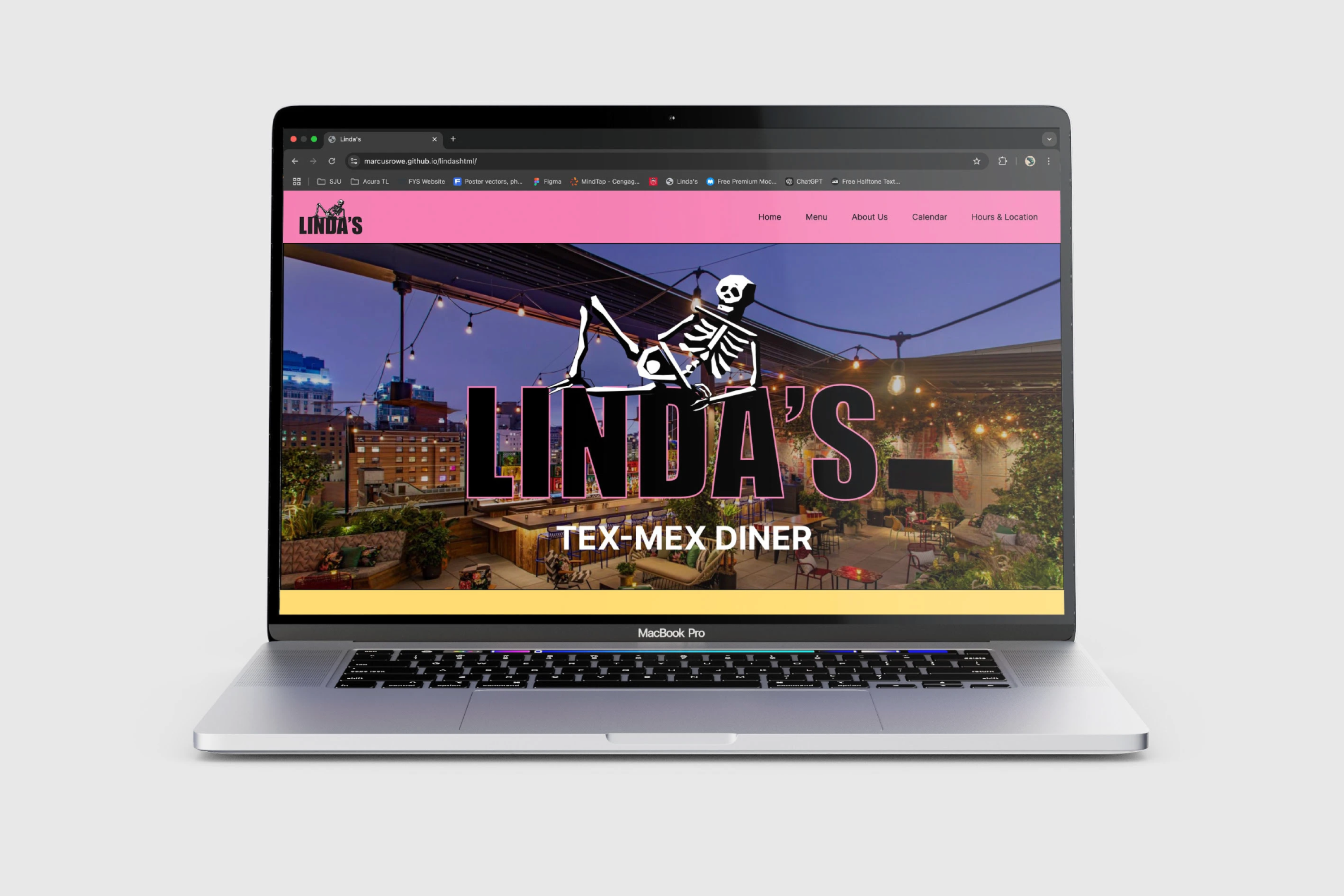


Collection Site
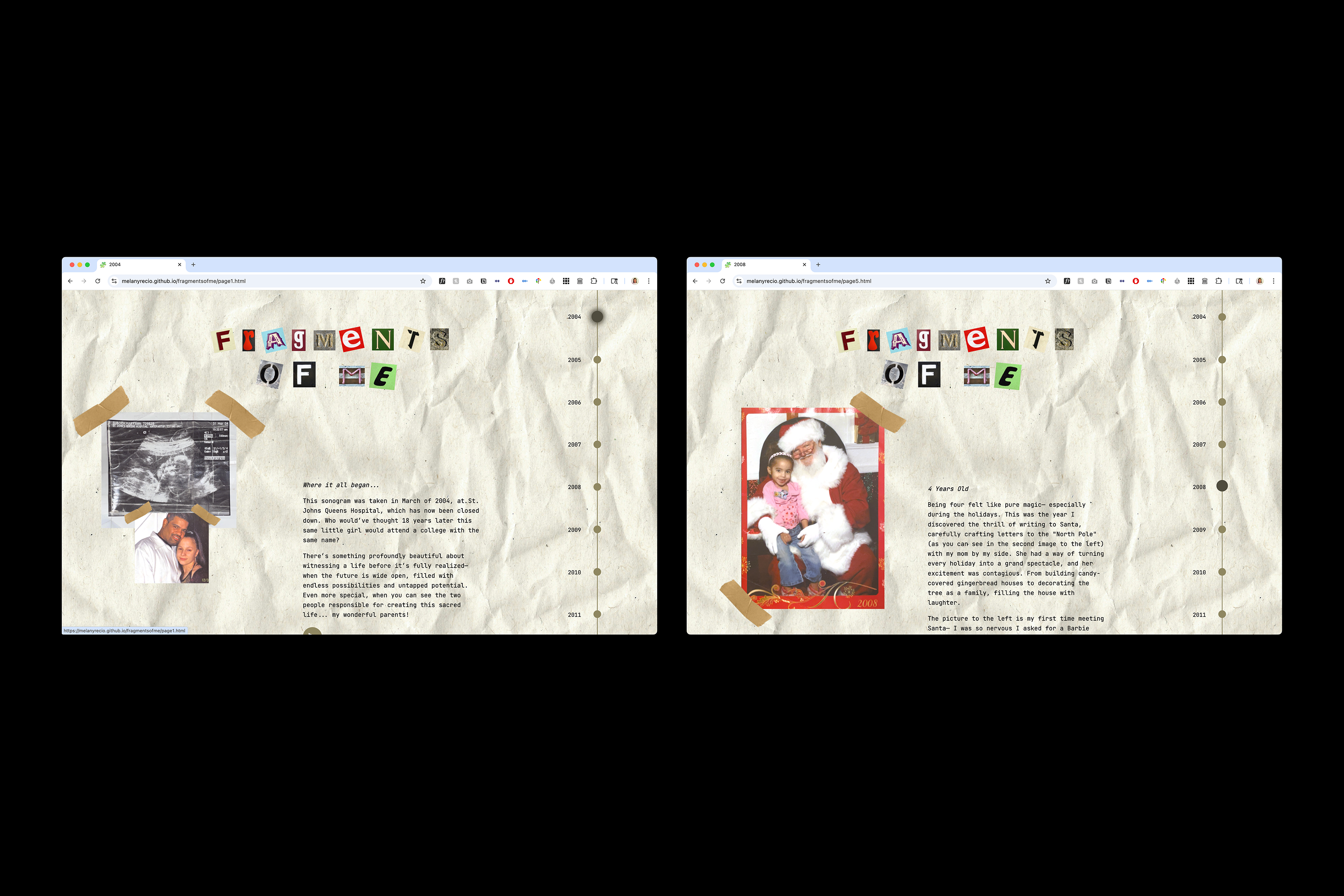
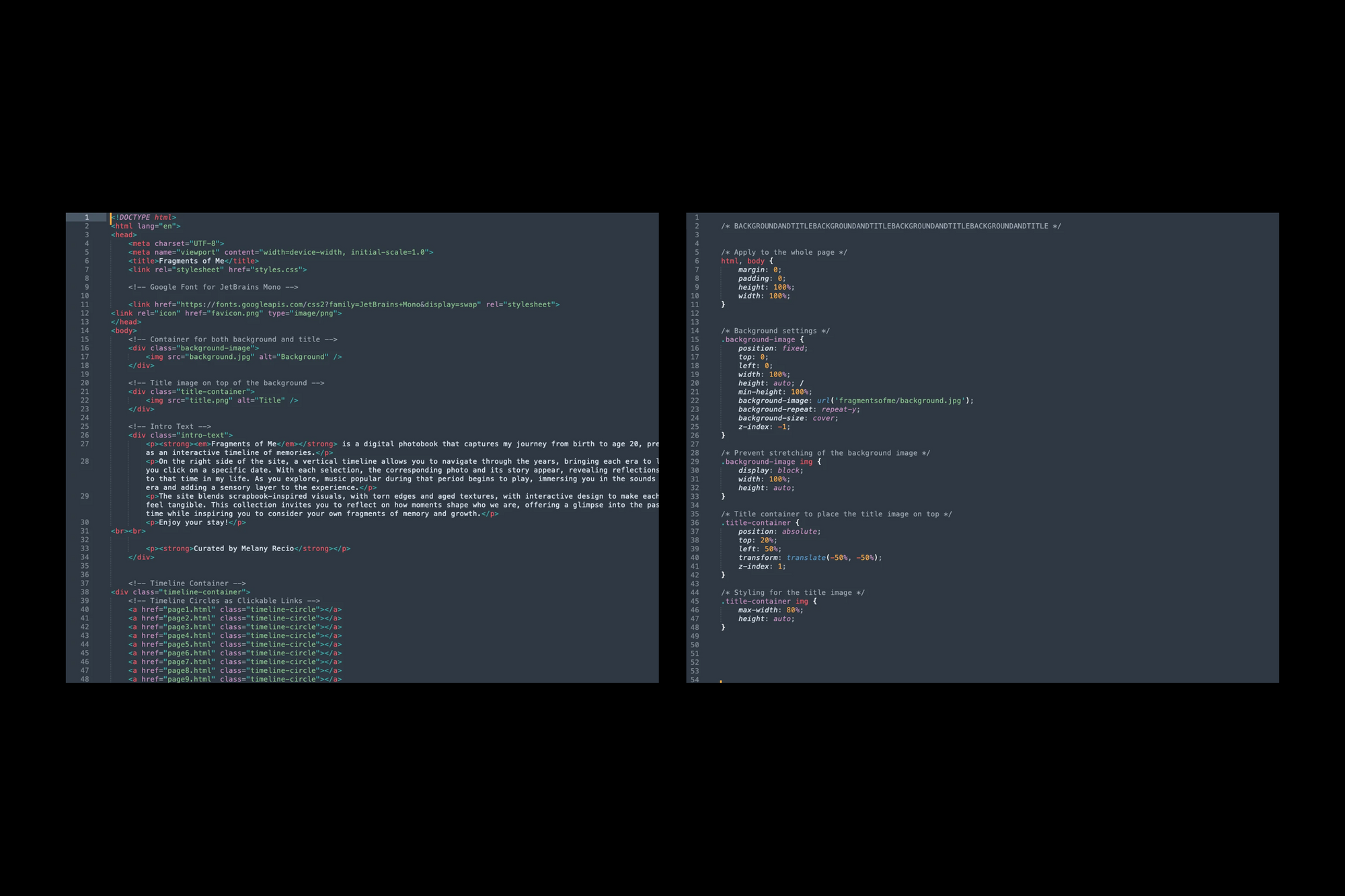
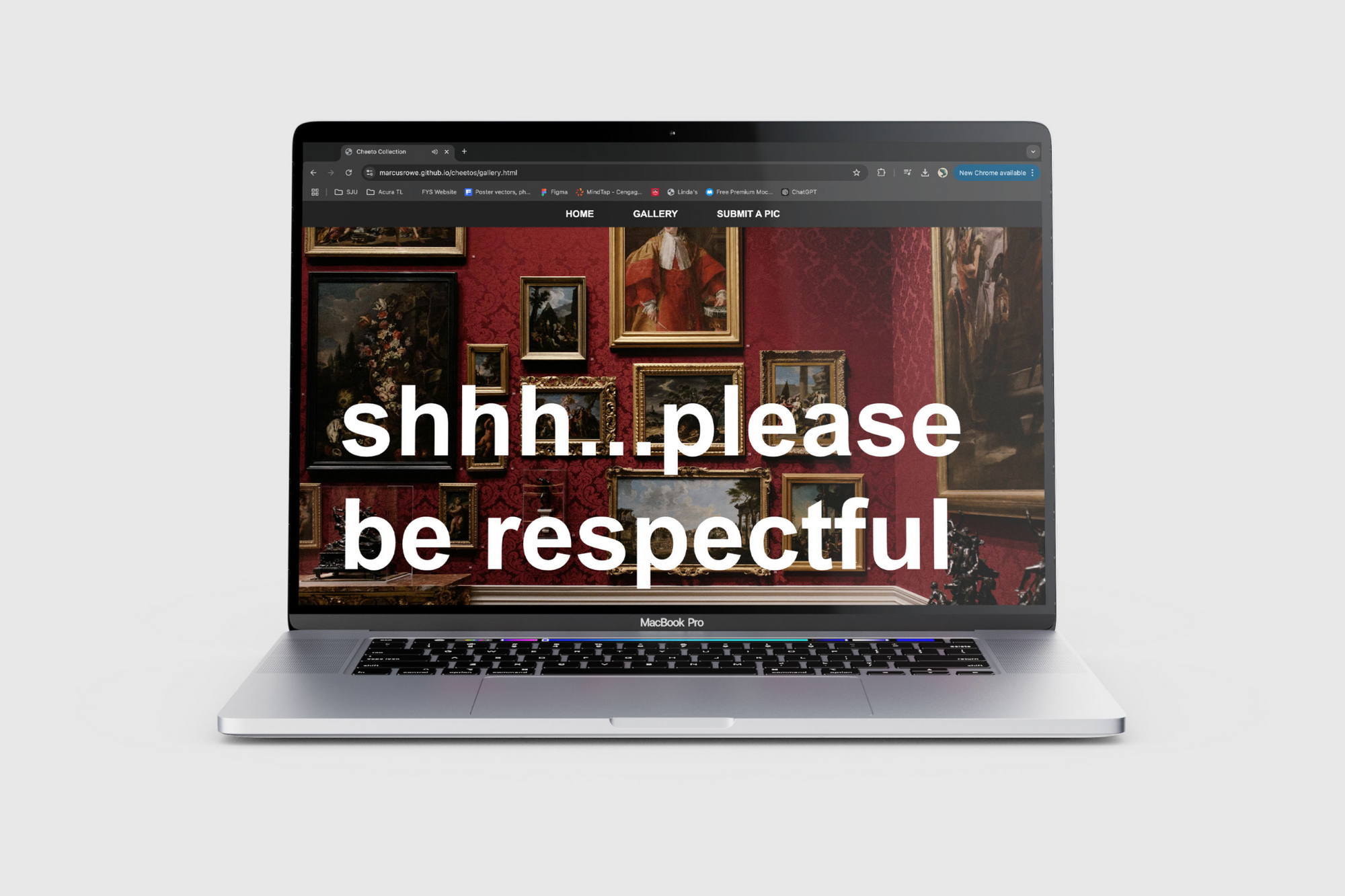
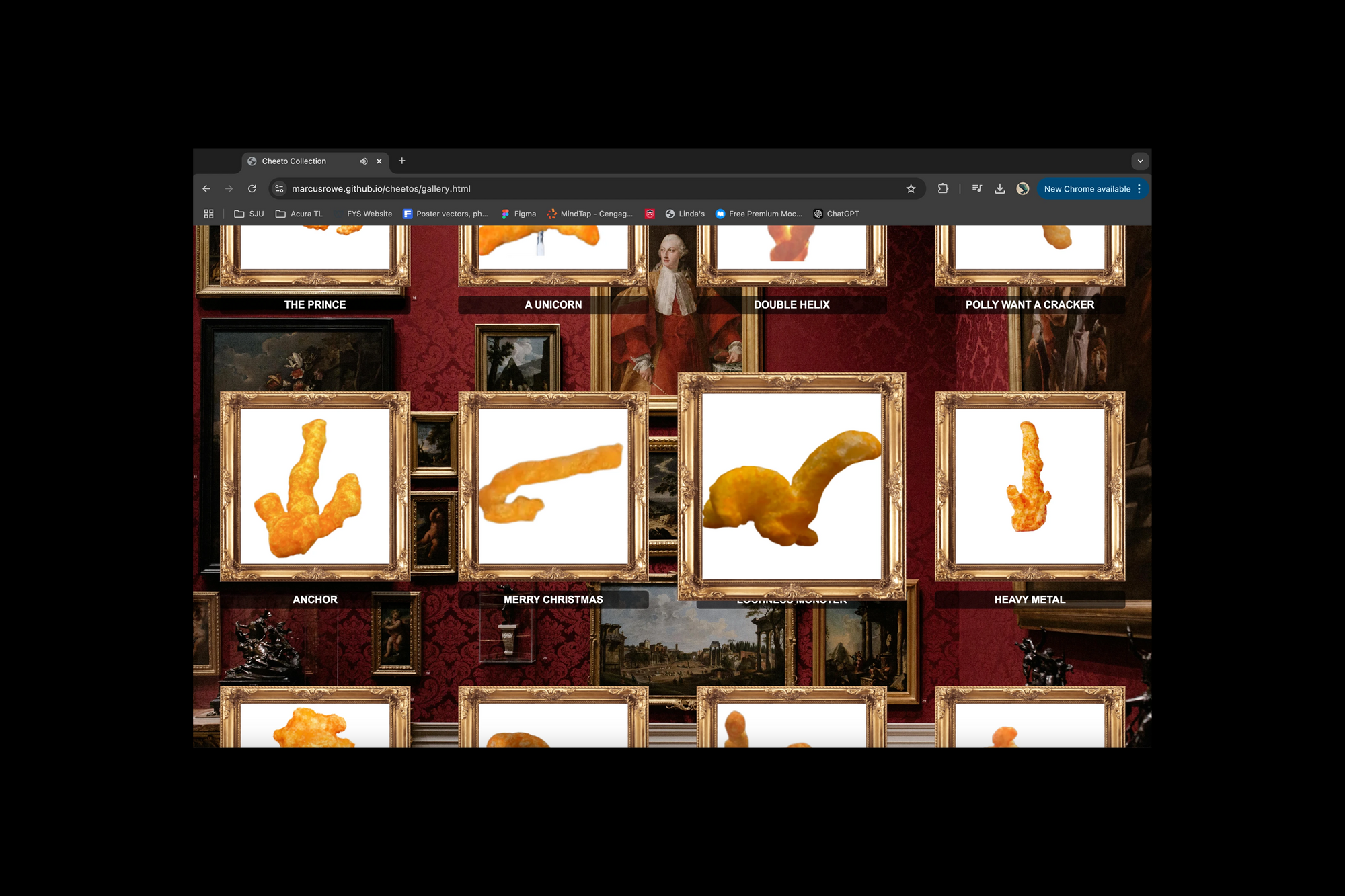
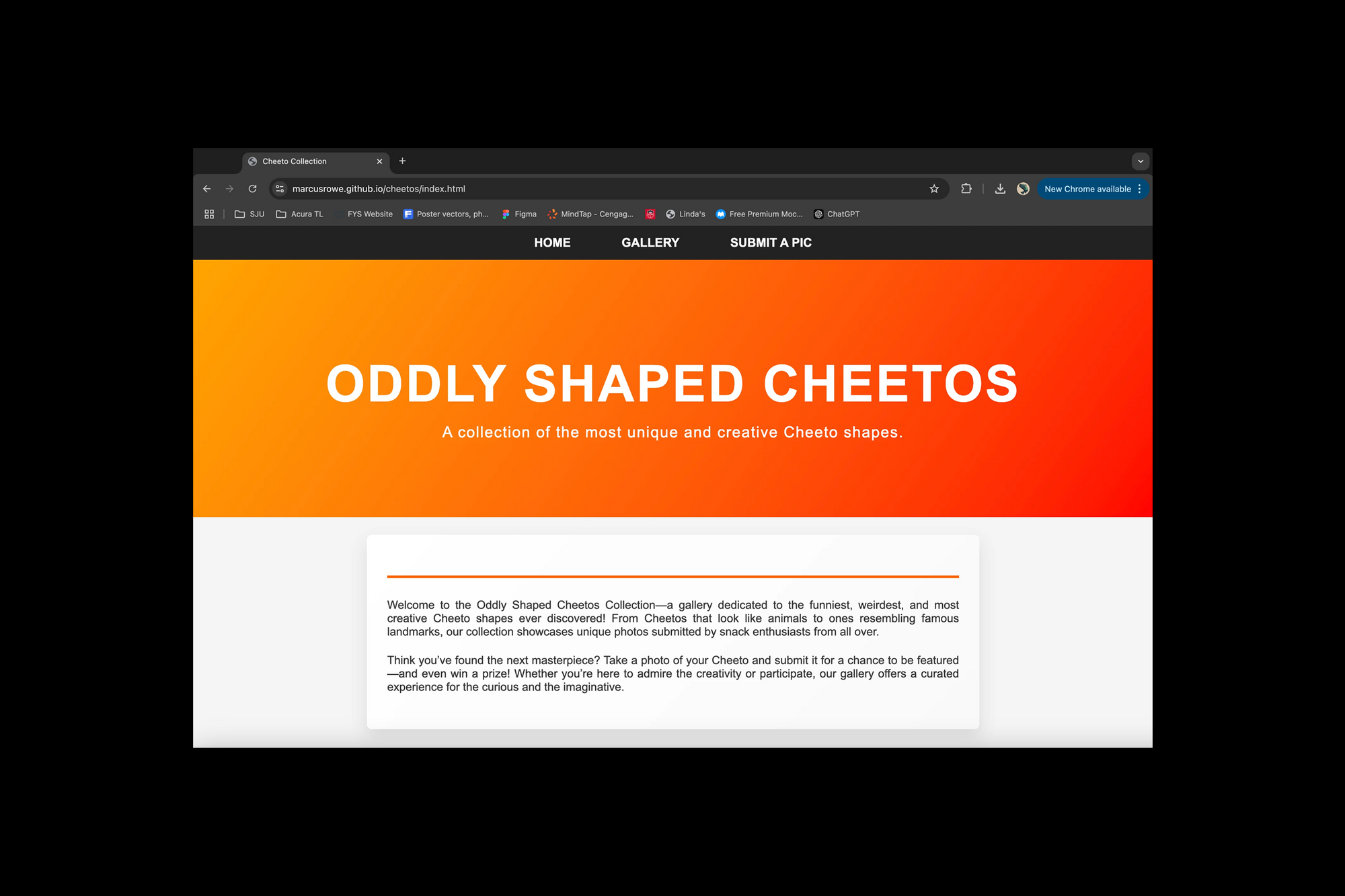
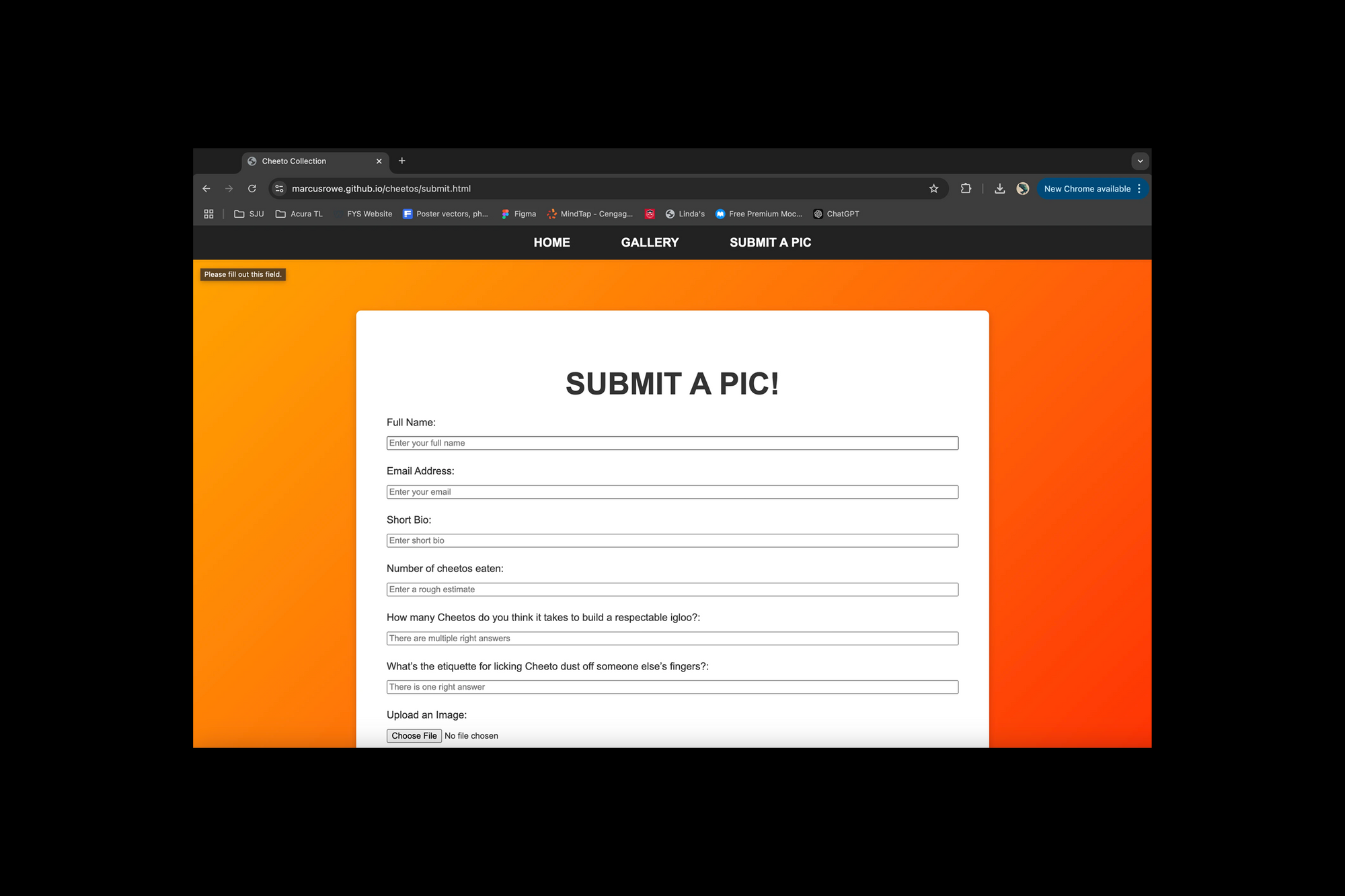
After a semester of learning code, students are given a “free project” to code a mini-platform website that organizes and showcases a curated collection of their choice. Drawing from practices of archiving, curation, and everyday documentation, students research the nature of their collection, identify attributes for organization, and experiment with how design choices shape audience interaction and interpretation. They apply skills from previous projects to structure links, typography, and navigation, emphasizing how form and interaction can add value to collected content.
Interaction II
This course advances students’ skills in interaction design through user-centered, research-driven projects that emphasize empathy, problem solving, and collaboration. Students design across digital platforms such as apps, email marketing, and web-based prototypes while developing branding, communication, and presentation competencies. Emphasis is placed on prototyping, testing, and documenting the design process, with the goal of producing thoughtful, professional, and engaging user experiences while thinking beyond commercial placements.
Speculative Service
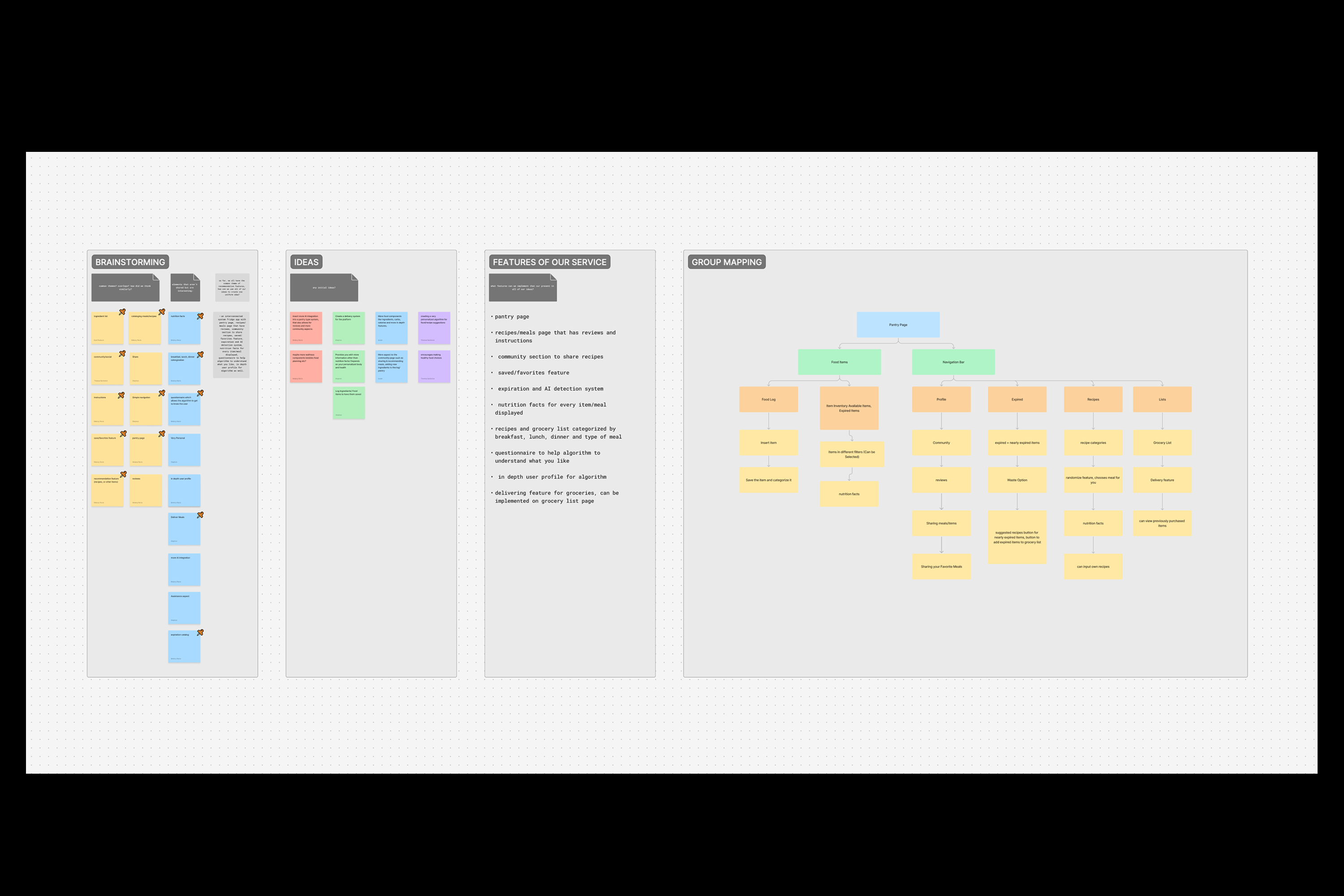
Students identify an unmet need and design a speculative service that addresses it. Beginning with competitor analysis, sketches, and paper prototypes, they test their ideas with users, document findings, and refine their concepts into digital prototypes in Figma. Emphasis is placed on research, iteration, and user-centered design, with outcomes documented in a portfolio-ready case study.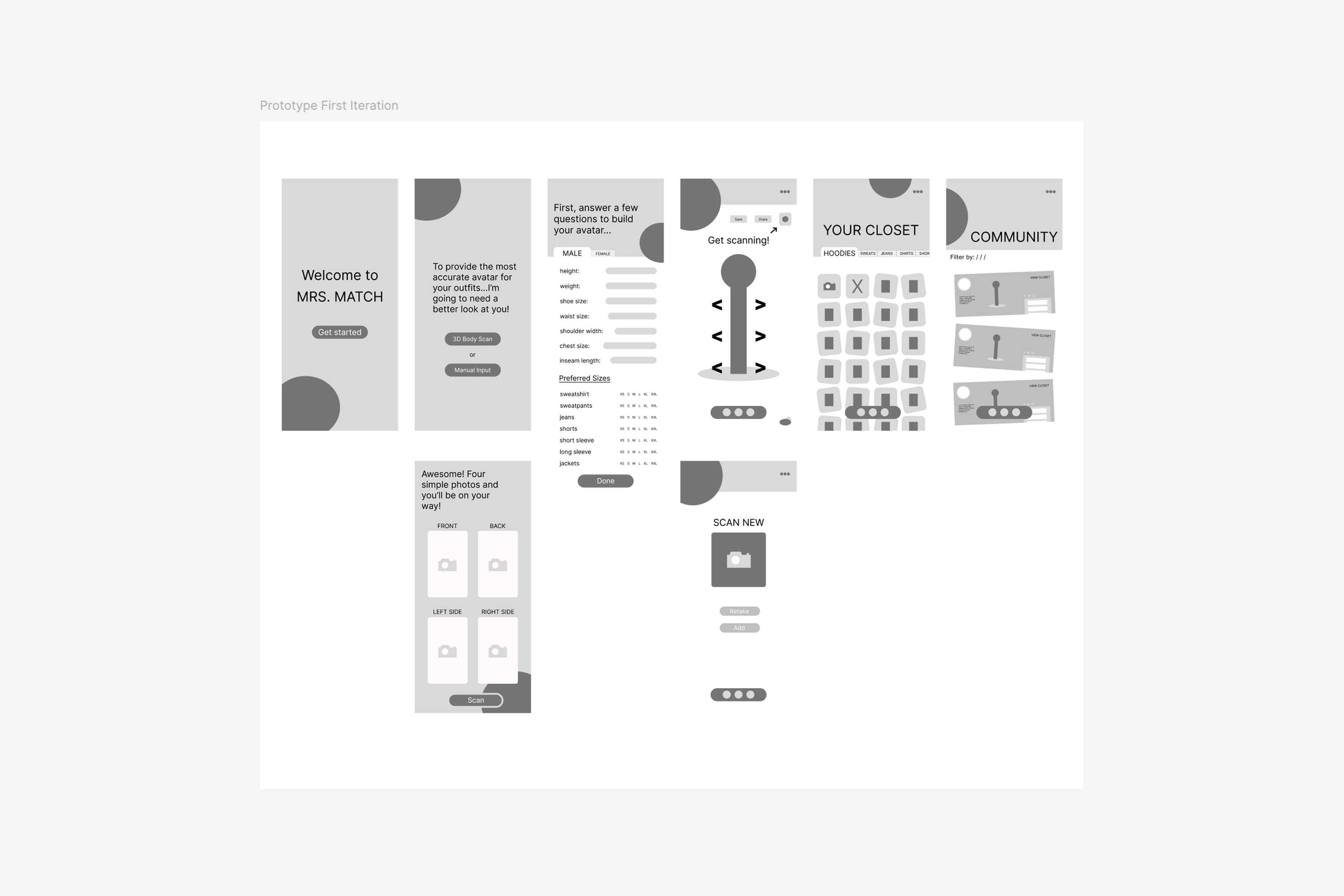


Collaborative Synthesis
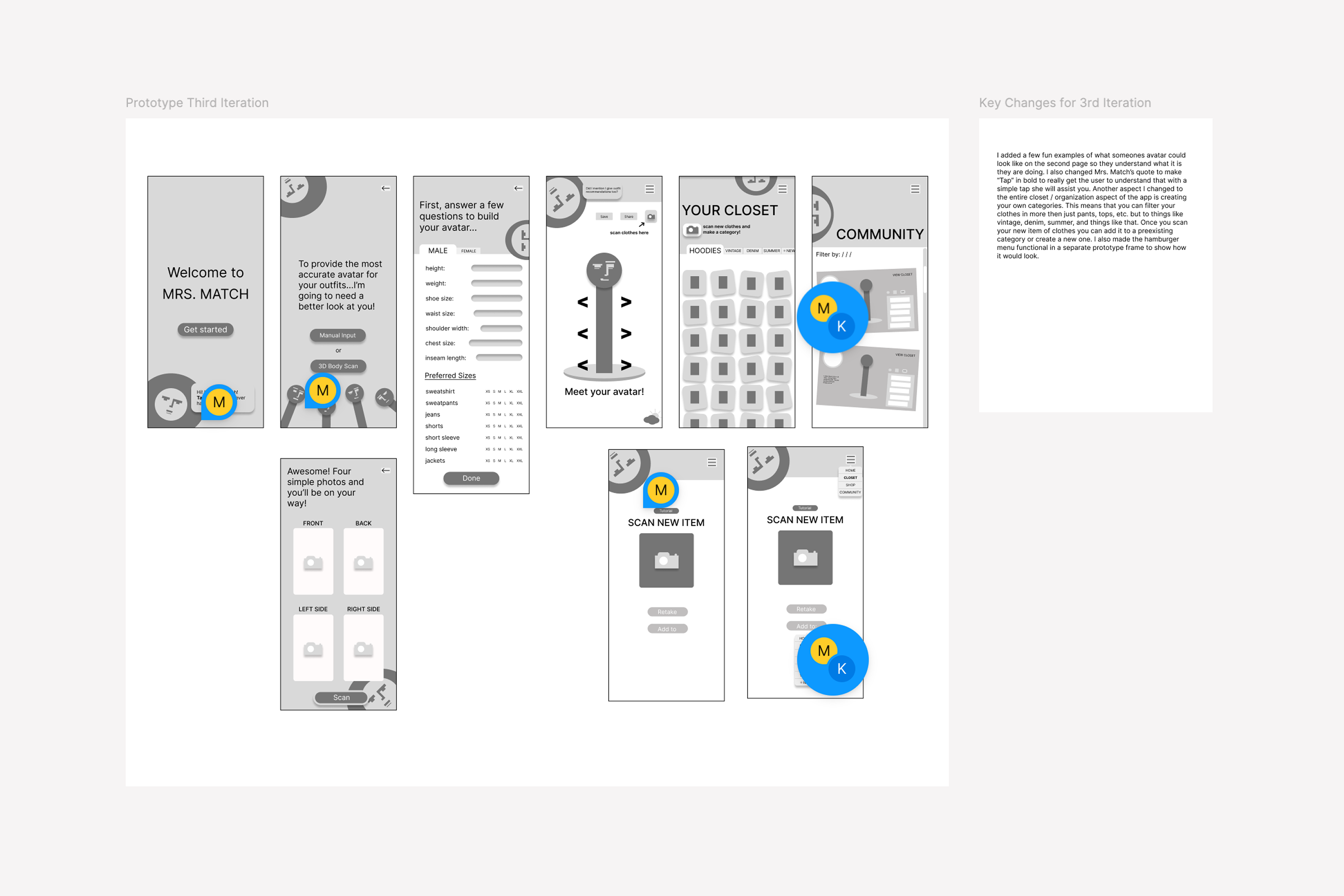
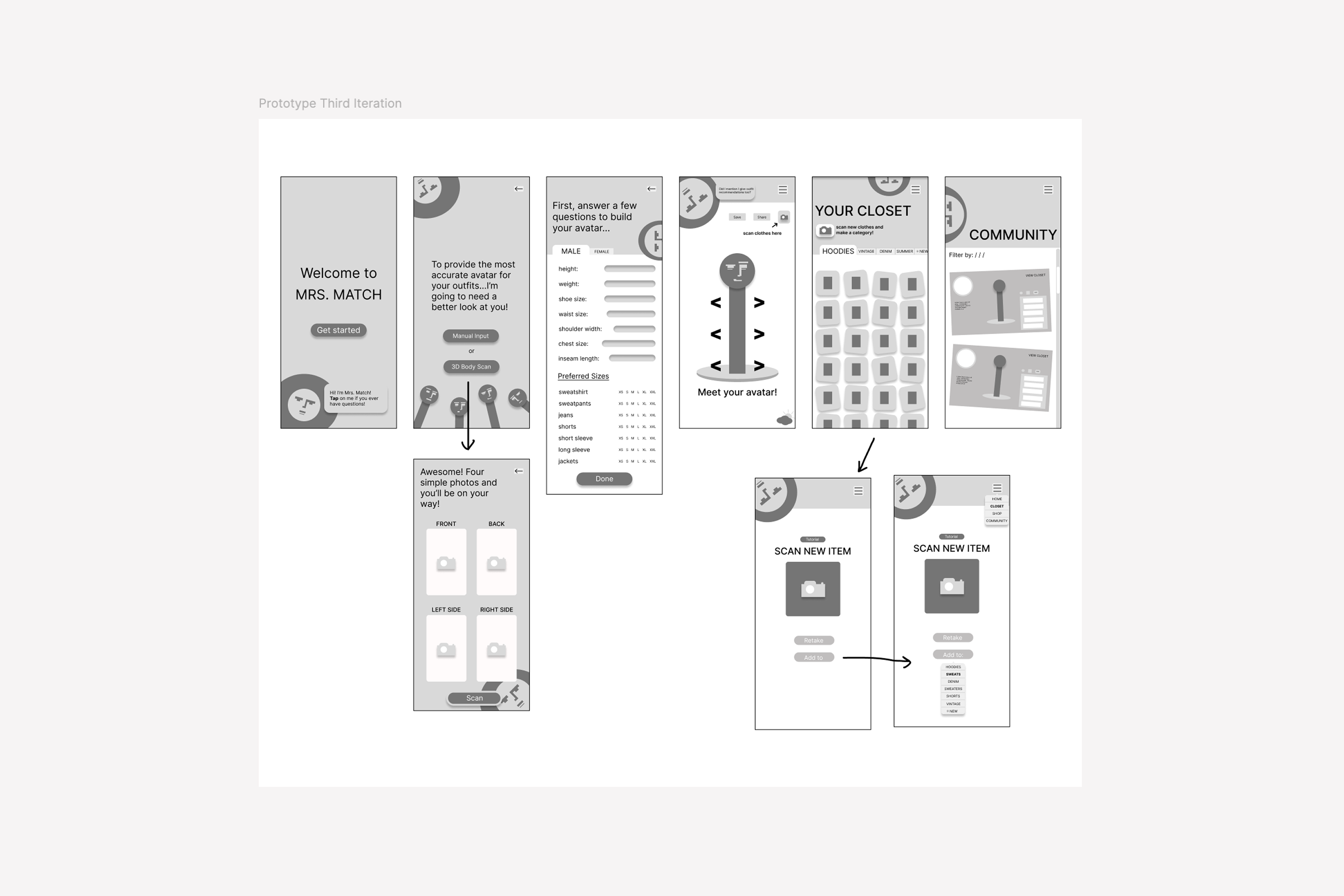
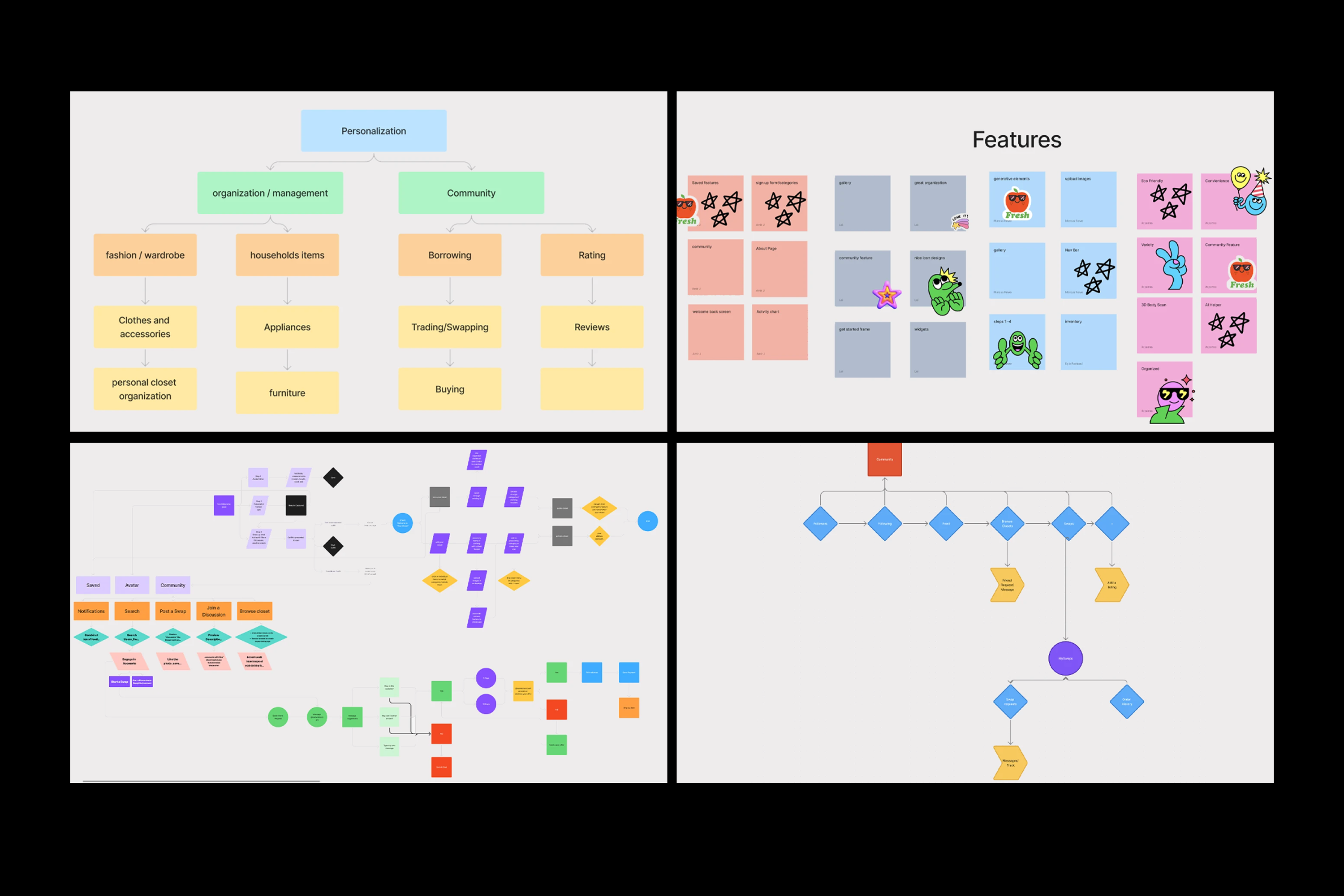
Students merge their individual speculative service concepts into team-based interactive systems. Through shared task flows, integrated wireframes, and collaborative critique, they identify overlaps and touchpoints to create a unified product. The project emphasizes teamwork, problem-solving, and consistent interaction design across multiple features.
Students merge their individual speculative service concepts into team-based interactive systems. Through shared task flows, integrated wireframes, and collaborative critique, they identify overlaps and touchpoints to create a unified product. The project emphasizes teamwork, problem-solving, and consistent interaction design across multiple features.


Product Prototype
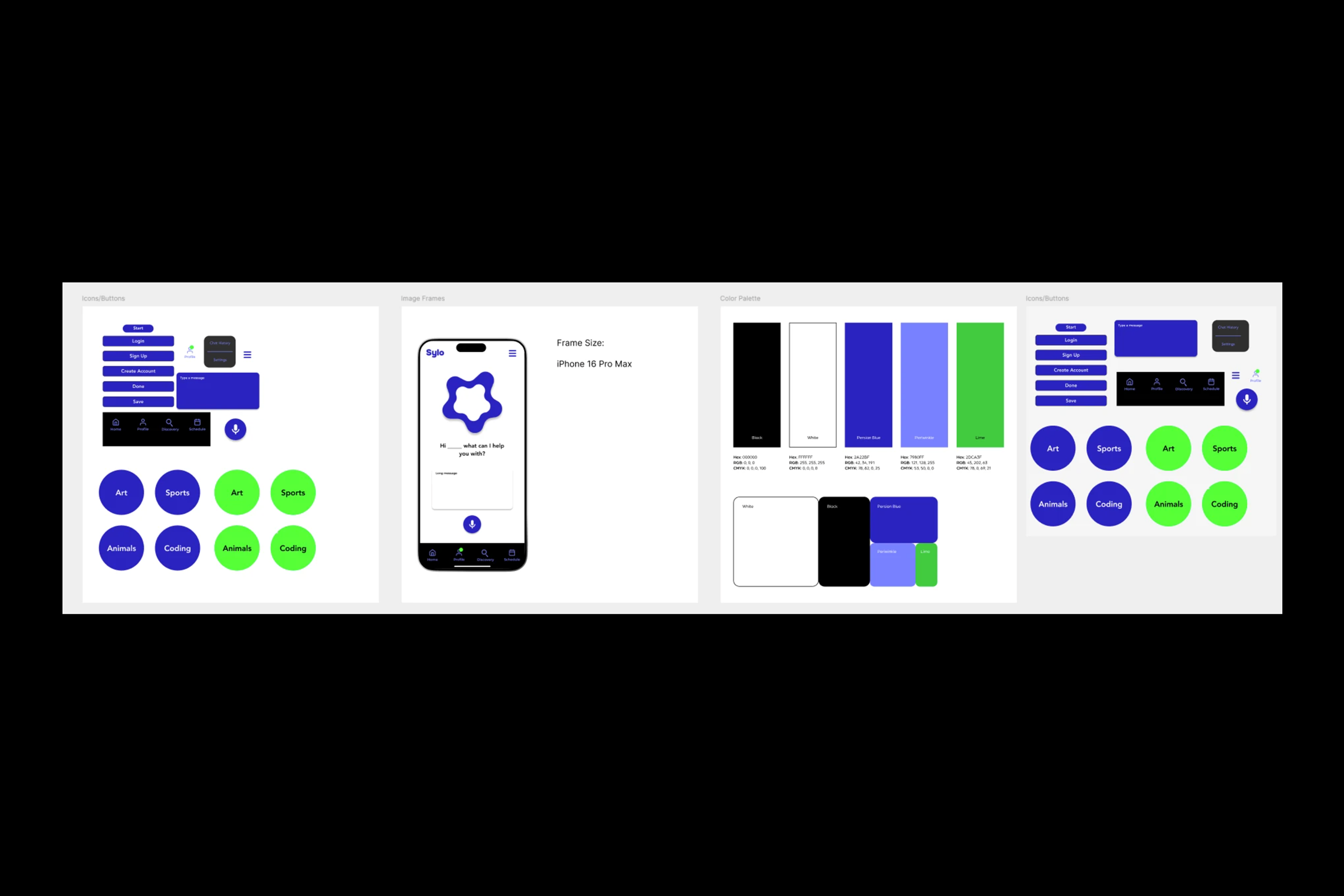
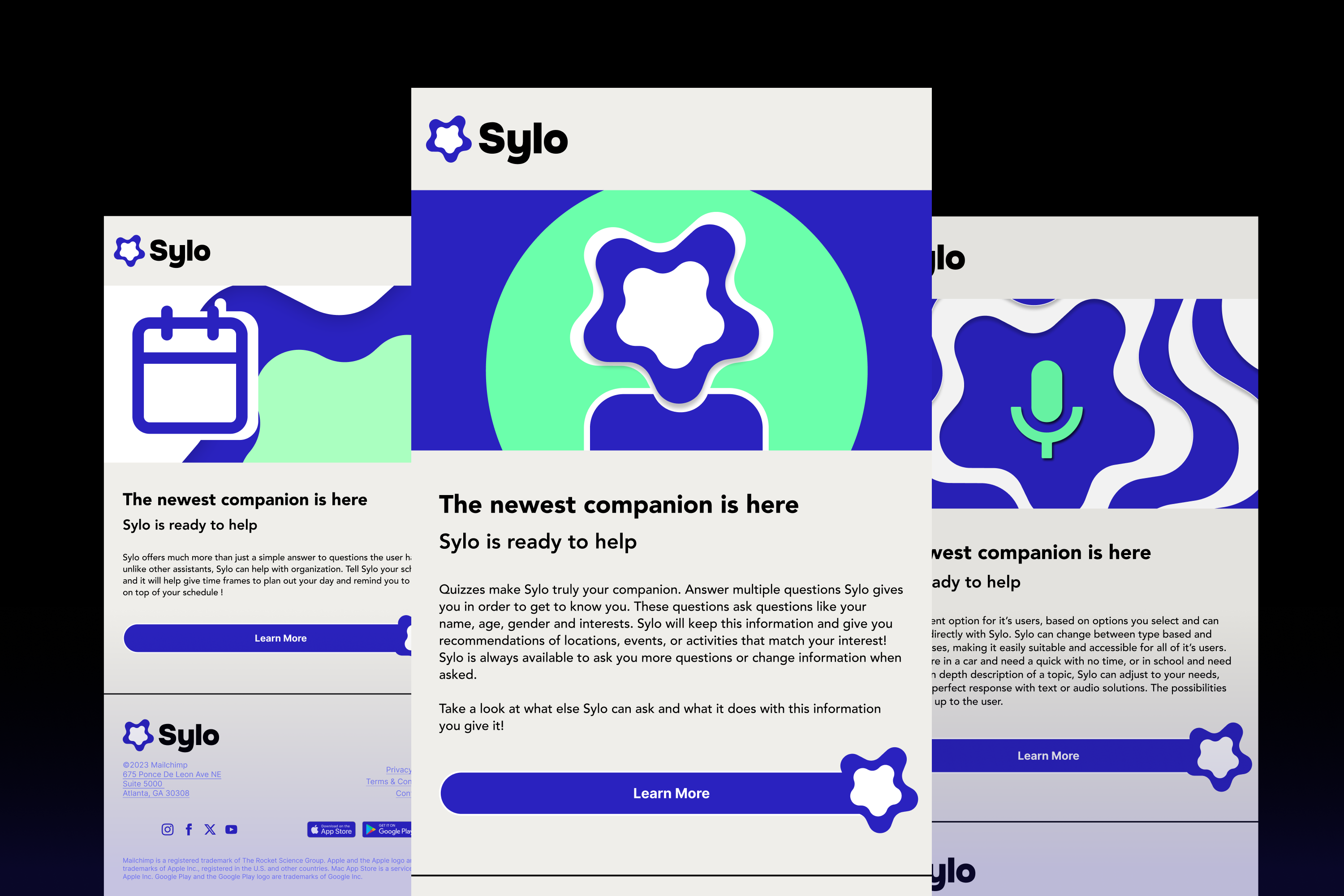
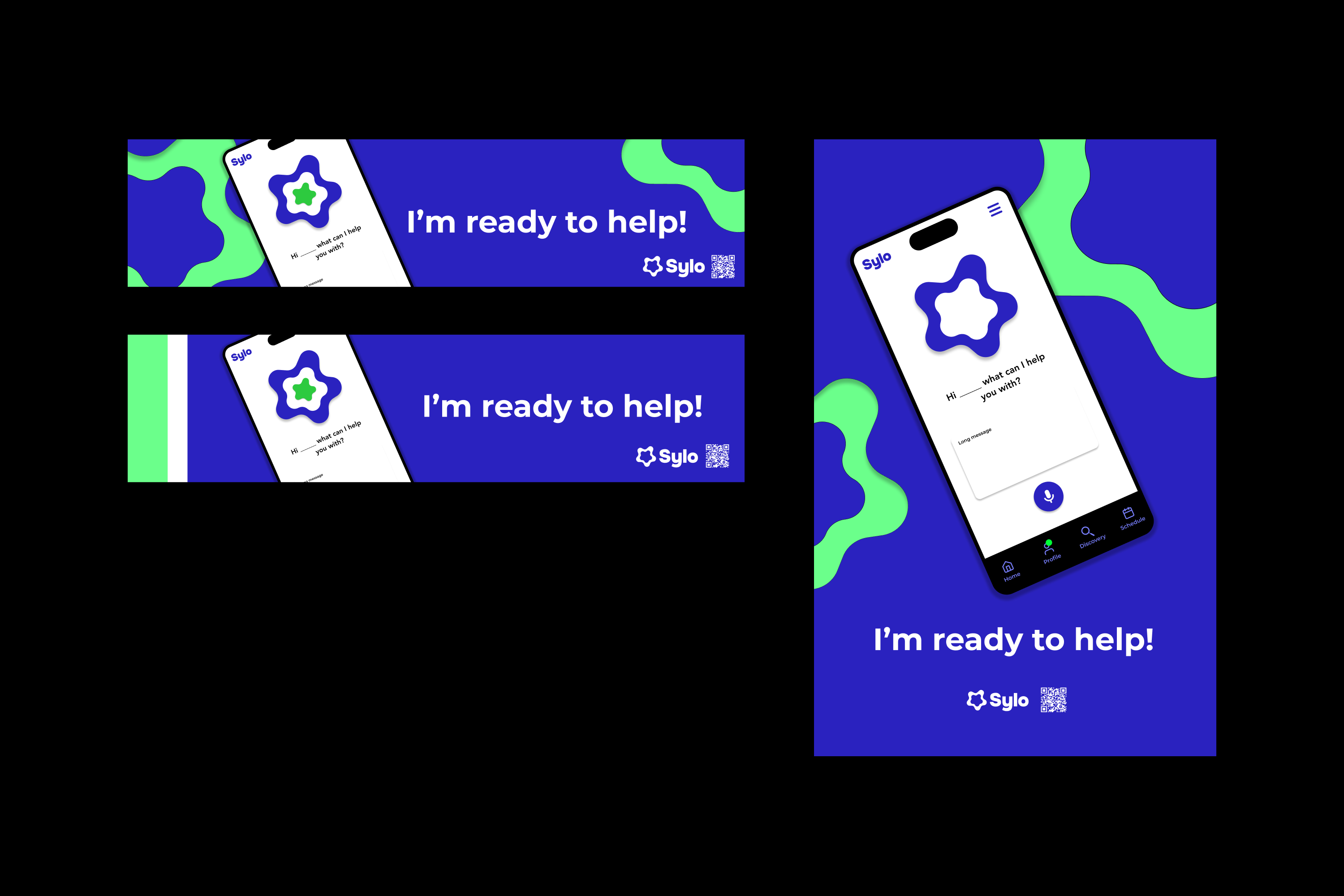
Students simulate a speculative service as a polished product. Each student refines one core feature from their group’s work, names the service, and builds a design library to establish brand identity. They then create high-fidelity prototypes and extend the service into marketing assets, highlighting their feature while considering additional features designed by their former teammates.
Students simulate a speculative service as a polished product. Each student refines one core feature from their group’s work, names the service, and builds a design library to establish brand identity. They then create high-fidelity prototypes and extend the service into marketing assets, highlighting their feature while considering additional features designed by their former teammates.



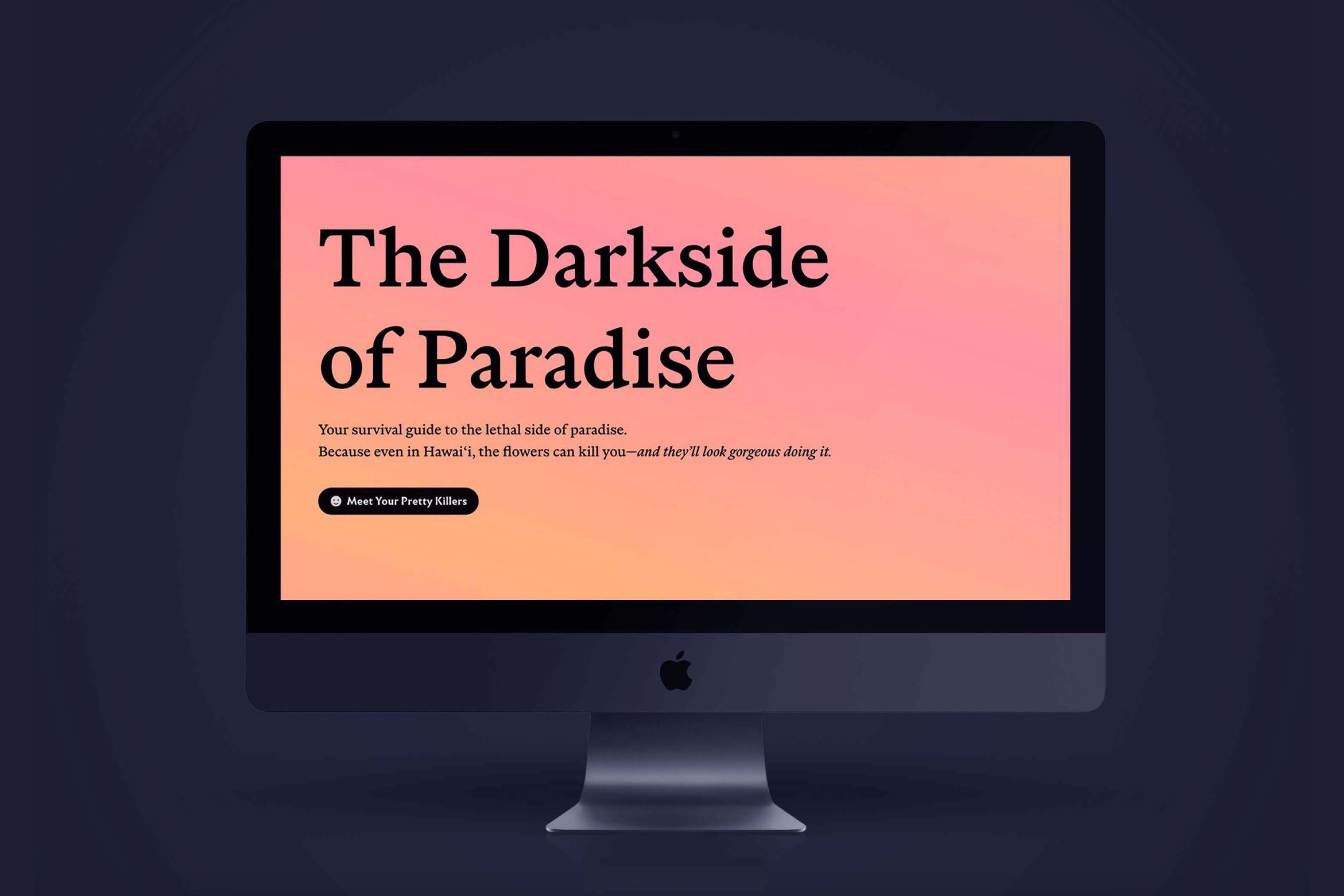
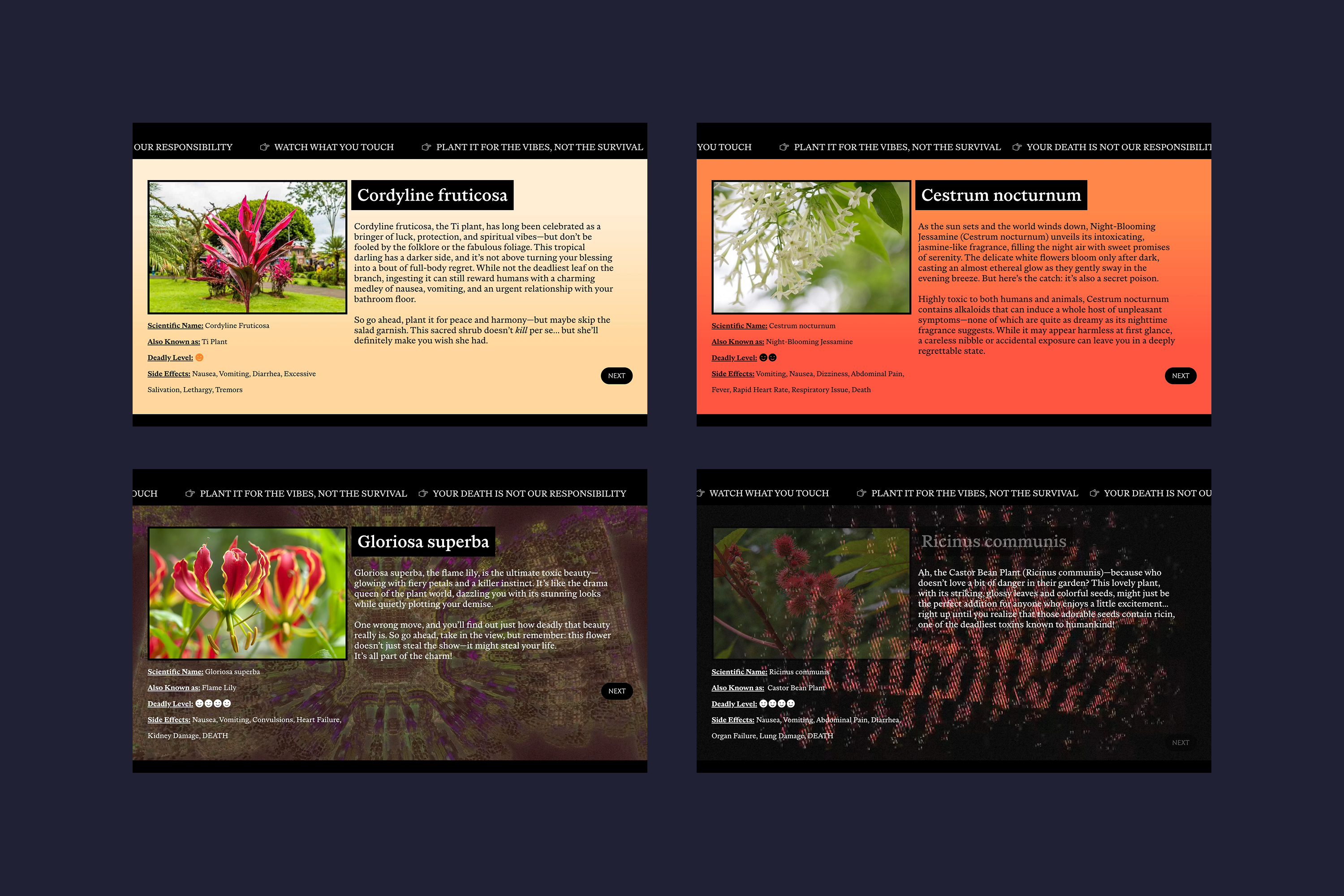
Digital Dozen
Returning to independent work, students design a digital zine consisting of twelve entries that reinterpret a resource of their choice, such as astrology, field guides, advice columns, or cookbooks. Working with constraints of format, typography, and rhetorical mode, students explore how design choices influence meaning. The final zine is published online, accompanied by an artist statement reflecting on concept and execution.
https://whatsinside.cargo.site/
https://12affirmations.cargo.site/
https://theconspiracycircuit.cargo.site/
Returning to independent work, students design a digital zine consisting of twelve entries that reinterpret a resource of their choice, such as astrology, field guides, advice columns, or cookbooks. Working with constraints of format, typography, and rhetorical mode, students explore how design choices influence meaning. The final zine is published online, accompanied by an artist statement reflecting on concept and execution.
https://whatsinside.cargo.site/
https://12affirmations.cargo.site/
https://theconspiracycircuit.cargo.site/